Total population
5,959,750 2023 Digital Census
Gujranwala District is the divisional headquarters and one of Pakistan’s largest industrial centres, with roughly 5.96 million residents (2023 Digital Census) across 2,433 km². A dense manufacturing hub for foundries, ceramics, rice mills, sanitary fittings, and auto parts, it anchors the reconfigured Gujranwala Division alongside Sialkot and Narowal. This page summarises district statistics, services, elected representation, and priority development challenges.
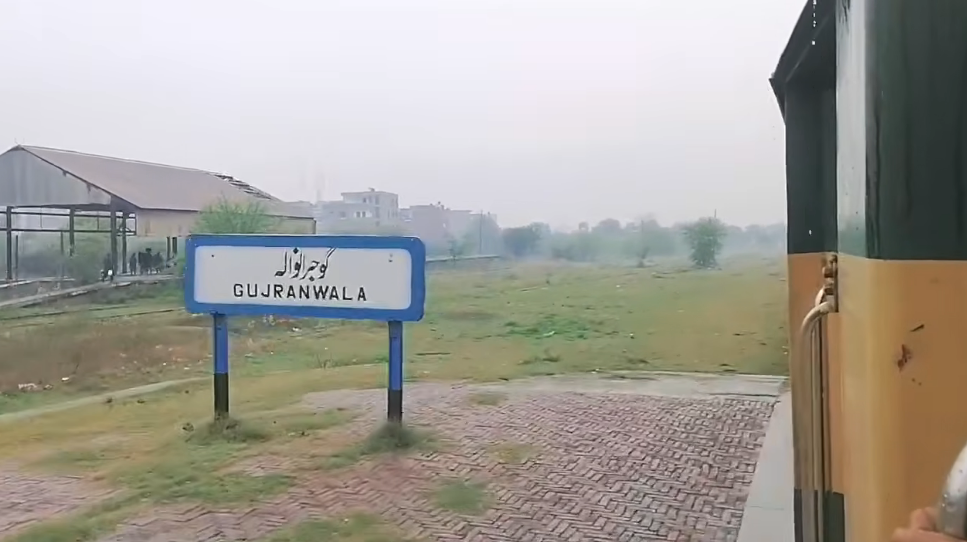
5,959,750 2023 Digital Census
2,433 km²
5 tehsils · 188 union councils · 840 villages
| Indicator | Value |
|---|---|
| Total population (2023 Digital Census) | 5,959,750 |
| Tehsils | 5 |
| Union councils | 188 |
| Villages | 840 |
| Total area | 2,433 km² |
| Schools (govt. and private) | 1,600 |
| Colleges (male) | 17 |
| Colleges (female) | 24 |
| Police stations | 28 |
| Civil courts | 25 |
| Type | Count |
|---|---|
| Schools (govt. and private) | 1,600 |
| Colleges (male) | 17 |
| Colleges (female) | 24 |
| Out of school (5–16, combined est.) | 15–18% |
| Facility type | Count |
|---|---|
| DHQ hospital | 01 |
| THQ hospitals | 03 |
| Facility type | Count |
|---|---|
| DHQ | 01 |
| THQ | 03 |
| Total (listed types) | 04 |
| Circle | Stations |
|---|---|
| Cantt circle | 03 |
| Kamonki circle | 05 |
| Khiali circle | 03 |
| Kotwali circle | 04 |
| Model Town circle | 03 |
| Nosheher Virkan circle | 04 |
| Peoples Colony circle | 04 |
| Qila Dedar Singh circle | 02 |
| Satellite Town circle | 04 |
| Wazirabad circle | 07 |
| Total | 28 |
| Tehsil | Courts |
|---|---|
| Gujranwala tehsil | 15 |
| Wazirabad tehsil | 04 |
| Kamoke tehsil | 03 |
| Noshehra Virkan tehsil | 03 |
| Total civil courts | 25 |
Based on listed MNAs and MPAs (NA-77–81, PP-59–70). NA: PML-N 4, IND 1; PP: PML-N 6, IND 6.
Schooling, youth employment, skills gap, and judicial capacity from division district profile data.
| Member | Constituency | Name (Party) |
|---|---|---|

|
NA-77 Gujranwala-I | Chaudhry Mahmood Bashir Virk (PML-N) |

|
NA-78 Gujranwala-II | Mr. Muhammad Mobeen Arif (Independent) |

|
NA-79 Gujranwala-III | Mr. Zulfiqar Ahmad (PML-N) |

|
NA-80 Gujranwala-IV | Mr. Shahid Usman (PML-N) |

|
NA-81 Gujranwala-V | Mr. Azhar Qayyum Nahra (PML-N) |
| Member | Constituency | Name (Party) |
|---|---|---|
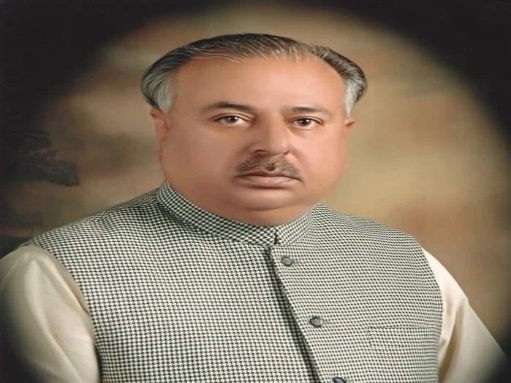
|
PP-59 Gujranwala-I | Muhammad Nasir Cheema (Independent) |
|
PP-60 Gujranwala-II | Kaleem Ullah Khan (Independent) |
|
PP-61 Gujranwala-III | Imran Khalid Butt (PML-N) |
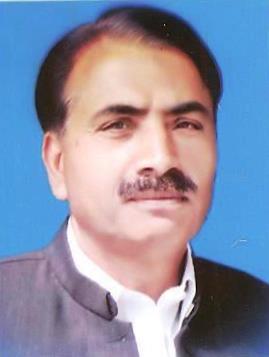
|
PP-62 Gujranwala-IV | Muhammad Nawaz Chohan (PML-N) |
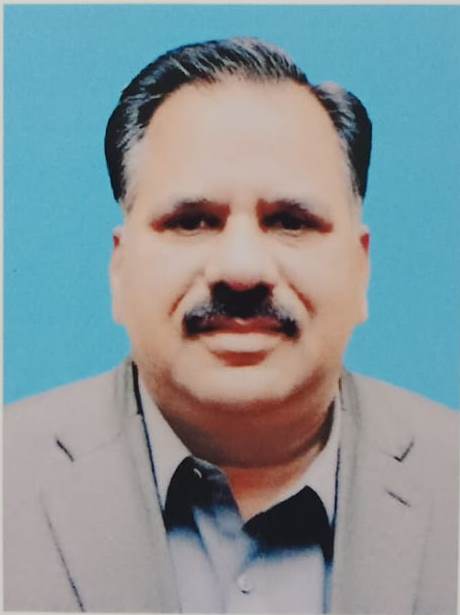
|
PP-63 Gujranwala-V | Chaudhry Muhammad Tariq (Independent) |
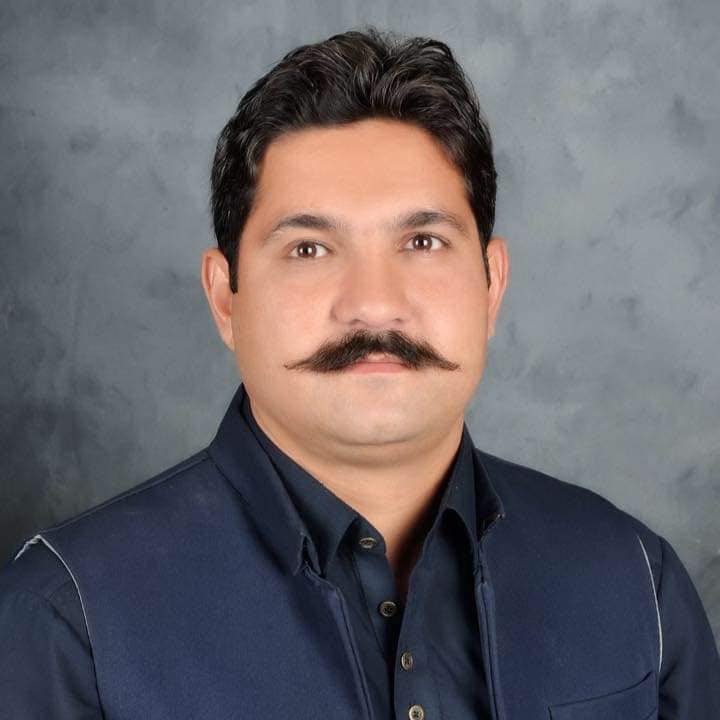
|
PP-64 Gujranwala-VI | Umar Farooq Dar (PML-N) |
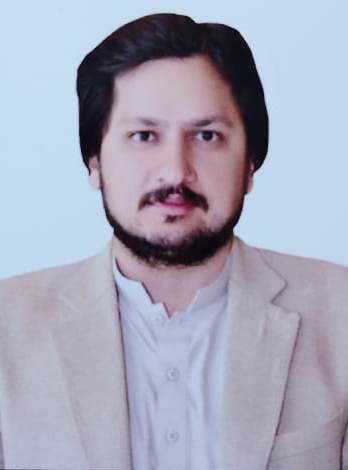
|
PP-65 Gujranwala-VII | Hassan Ali (Independent) |
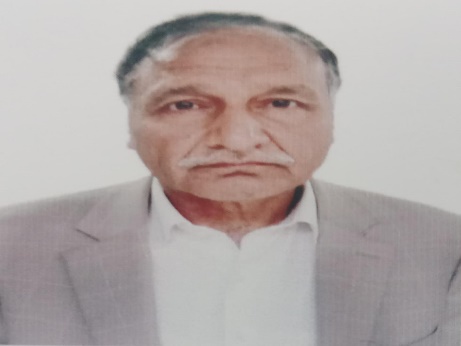
|
PP-66 Gujranwala-VIII | Qaiser Iqbal (PML-N) |
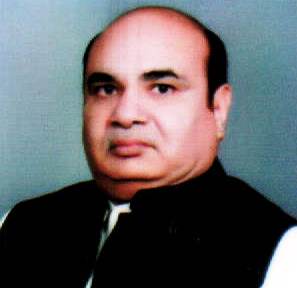
|
PP-67 Gujranwala-IX | Akhtar Ali Khan (PML-N) |
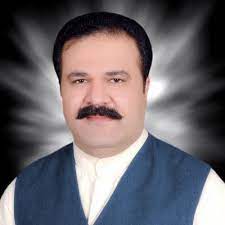
|
PP-68 Gujranwala-X | Mian Arqam Khan (Independent) |
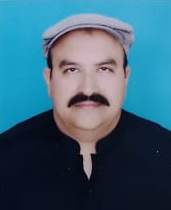
|
PP-69 Gujranwala-XI | Irfan Bashir (PML-N) |
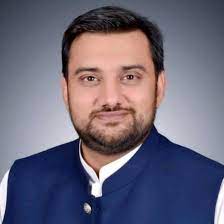
|
PP-70 Gujranwala-XII | Tashakul Abbas Warraich (Independent) |
The district's central commercial roads suffer from severe traffic congestion, broken patches, and a lack of proper bypasses, causing delayed freight transport for its massive industrial clusters.
The public healthcare infrastructure faces an acute shortage of facilities, operating with a low bed-to-population ratio that forces a heavy reliance on a highly unregulated private healthcare sector.
The district's water table is depleting rapidly due to excessive industrial extraction, while shallow drinking water sources suffer from heavy toxic contamination including arsenic, chromium, and lead.
Despite a vast manufacturing base, structural unemployment and underemployment persist due to a severe skills gap, as over 68% of the district's youth (aged 15–24) remain detached from formal higher education and skilled employment.
The district experiences severe environmental degradation driven by unregulated industrial waste dumping into local open drains, coupled with alarming seasonal air pollution where particulate matter levels regularly breach hazardous thresholds.
High industrial and commercial traffic causes severe congestion, potholes, and accidents on key routes like GT Road, linkages to industrial estates, and peri-urban areas. Punjab road schemes under the FY 2025–26 ADP are addressing rehabilitation and widening, but logistics for ceramics, foundries, and auto-parts units remain strained.